ABOUT
OUR WORK
PUBLICATIONS
TRAINING
NEWS
EVENTS
Contact
Publications
Articles
by Jonny Gordon-Farleigh
STIR Magazine #52 / Winter 2026
This article explores the decline of democratic membership organizations and its role in the current "crisis of democracy." It argues that professionalized, staff-driven NGOs have hollowed out civil society, and calls for a "Membership Nation" revival where mass participation, collective institutions, and member-led governance restore genuine political agency and community power.
by David Alcock and Graeme Nuttall
STIR Magazine #50 / Summer 2025
This article explores how the Employee Ownership Trust (EOT) model can be reformed to include democratic co-operative principles. It examines the potential for registering an EOT’s trustee as a co-operative society, allowing employees to move beyond indirect ownership toward active, collective governance and membership.
STIR Magazine #47 / Autumn 2024
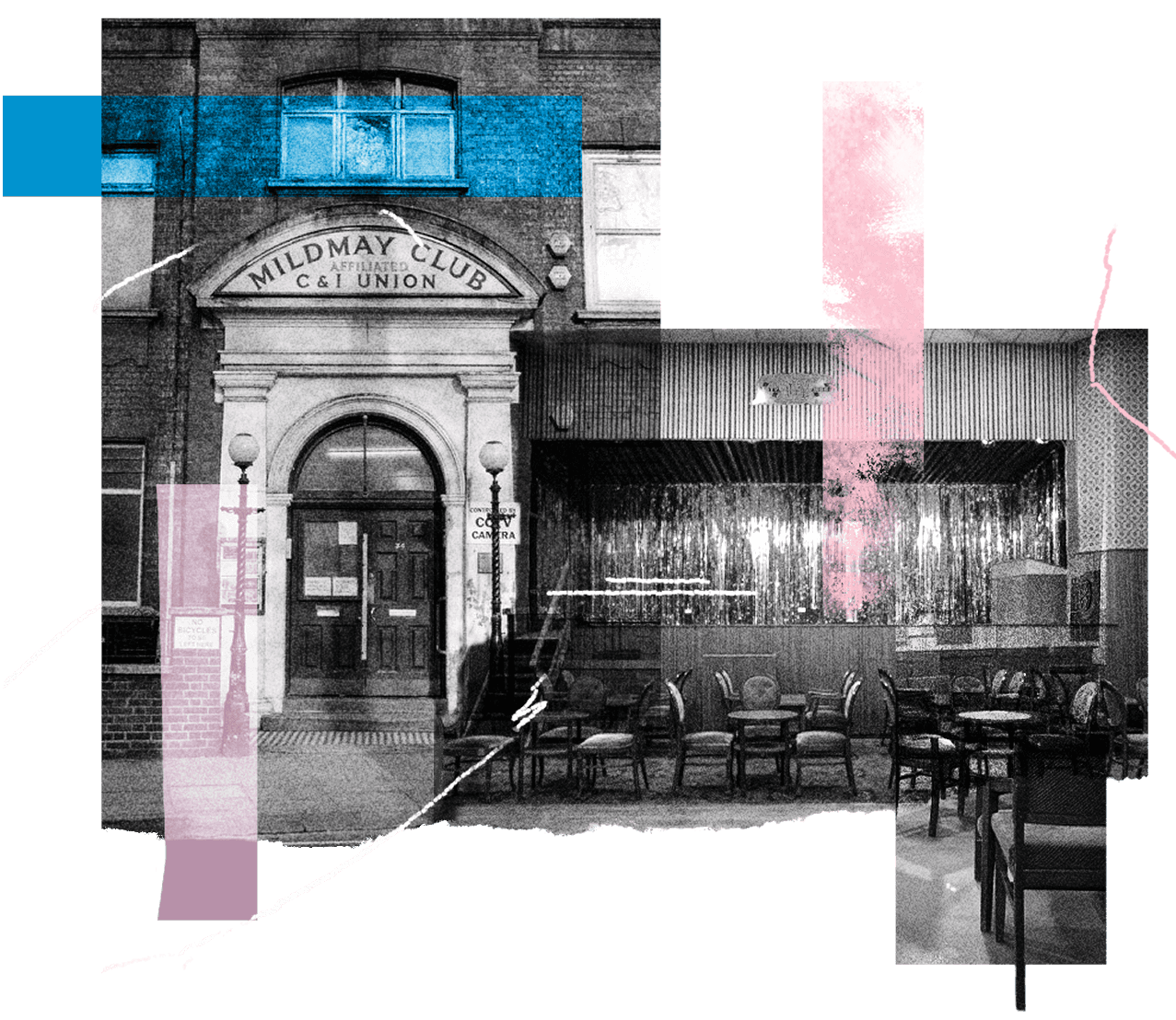
This article explores Britain’s social clubs as a misunderstood form of community wealth, tracing their journey from Victorian educational tools to democratic hubs. It examines how revitalising these member-owned spaces can offer a powerful solution to modern social isolation and the decline of local infrastructure.
by Kosta Juri and Tej Gonza
This article explores how to scale democratic ownership by adapting the Employee Ownership Trust (EOT) model. It examines the potential for converting mature companies into worker-owned entities to decommodify business, anchor local wealth, and move beyond passive profit-sharing toward genuine workplace self-determination.
STIR Magazine #44 / Winter 2024
To move from the margins to the mainstream, the "new economy" movement must outgrow its reliance on memberless, professionalized NGOs. Jonny Gordon-Farleigh argues that systemic change requires reversing "civic privatisation" by rebuilding a civil society rooted in democratic membership. Only by shifting from passive advocacy to collective, member-led power can the movement become a genuine political force.
by Daniel Stanley
STIR magazine #43 / Autumn 2023
Daniel Stanley explores how advocates of democratic business models can respond to the rise of Large Language Models—not just by using them as time-saving tools for generic tasks, but by leveraging the new power dynamics they create between workers and management to negotiate greater control and ownership.
by Michael O'Regan
STIR Magazine #42 / Summer 2023
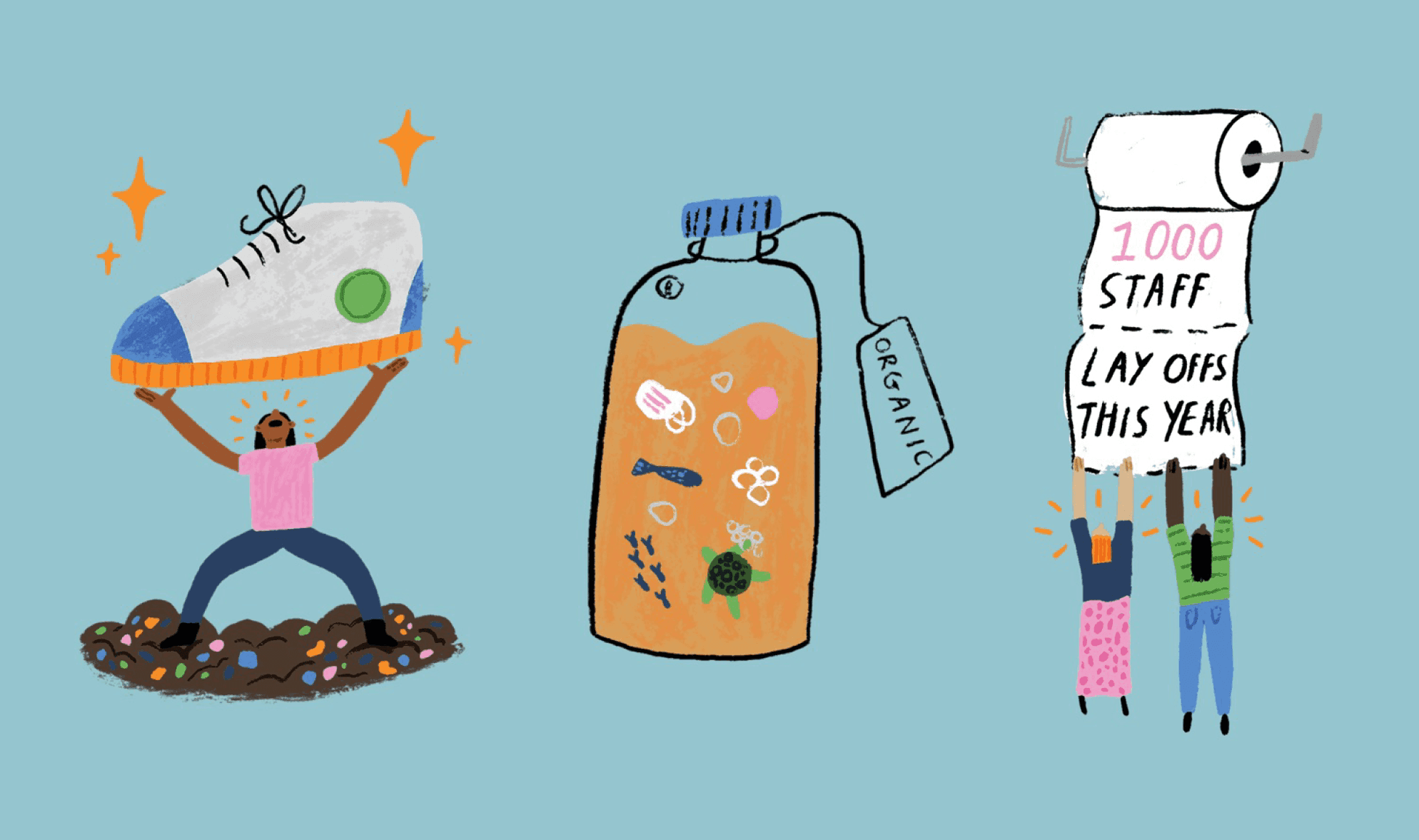
As the B Corp certification gains global popularity, Michael O’Regan questions whether this private "alphabet soup" of standards can truly transform capitalism. With controversial giants like Nespresso and Brewdog achieving the status, critics argue the certification’s low threshold and lack of legal liability often mask business as usual. O’Regan suggests that without external oversight, B Corp remains a voluntary badge rather than a radical alternative to deeper legal structures like co-operatives.
STIR Magazine #41 / Spring 2023
This article critiques the "social impact" movement for ignoring the fundamental role of business ownership in economic inequality. It argues for "democratic business" models that grant workers enforceable rights to assets and decision-making, moving beyond soft corporate social responsibility toward genuine economic democracy.
STIR Magazine #40 / Winter 2023
In this review of Theda Skocpol’s Diminished Democracy, Jonny Gordon-Farleigh examines the "advocacy explosion" that replaced popularly rooted membership groups with staff-driven, professionalized NGOs. While effective at policy lobbying, these memberless entities have hollowing out the democratic leverage once held by local chapters and cross-class federations. He argues that to counter political resentment and public distrust, we must revive associational models that transform passive beneficiaries into active, powerful citizens.
by Matthew Thompson
STIR magazine #34 / Summer 2021
As community wealth building gains mainstream traction, Matthew Thompson argues that technical policy shifts like progressive procurement are not enough. Using the "Preston model" as a case study, he explores the "missing link": the need for community anchors and physical spaces that foster popular education and collective action. To truly democratise the economy, we must move beyond top-down technocracy and reinvest in the "houses of the people" where co-operative culture is actually lived and produced.
The CfDB is a project of Stir to Action Ltd, a worker co-operative registered in England as a Company Limited by Guarantee. Company number 07951013
Our team is based in Dorset, London, and Manchester
info@democraticbusiness.org
Subscribe to our newsletter
Designed and built by Guillermo Ortego
You can subscribe to our newsletter here