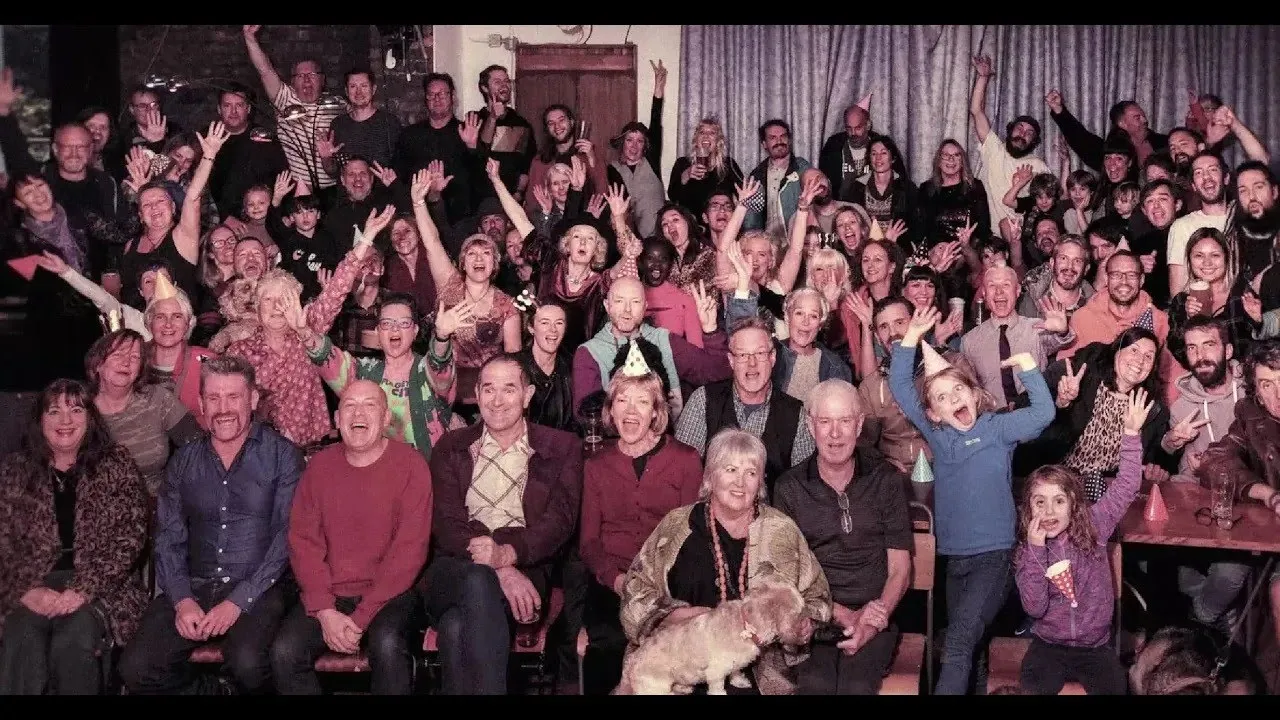

The Future of London’s Social Clubs: An answer to the pressure on the capital’s cultural and social spaces
This new report from the Centre for Democratic Business and Centre for London argues that London’s social clubs have the potential to play a crucial role in responding to five of the capital’s urgent social and cultural challenges – if action is taken to secure their future.
London is facing a crisis of social connection at a scale not seen anywhere else in the country, with low levels of neighbourhood trust and interaction. Fuelling this is the growing unaffordability of the capital, with the disappearance of social and cultural infrastructure, such as pubs, music venues, youth centres, and community spaces, due to rising costs. At the same time, persistent cost of living pressures are turning socialising from an everyday part of life into an occasional luxury, out of reach for many. Extreme weather has also created growing demand for warm and cool spaces. The capital is also facing a lack of entry-level employment and work experience opportunities for young Londoners.
There are more than 70 social clubs embedded in communities across London, who have the potential to respond to London’s need for affordable, member-owned social infrastructure.
However, social clubs are facing their own challenges, including rising costs, difficulties accessing finance, reliance on volunteers, and growing redevelopment pressures.
The report draws from interviews with five London social clubs - alongside desk research, mapping and surveying - to illuminate the most urgent issues social clubs face and how to address them. It outlines practical steps that the Mayor of London, London councils, funders and others could immediately take across three areas of intervention: financial sustainability, operations and capacity, and planning and redevelopment.
These recommendations include a London-wide grants and business advice programme for social clubs; better access to appropriate loans and mortgages; council procurement opportunities for clubs; work and volunteering pathways for young people; a London-wide social clubs network; and stronger, more consistently applied planning protections.
Antonia Jennings, CEO of Centre for London said: “London needs to hold onto the physical spaces that build and sustain our communities. Every report on loneliness, every poll showing Londoners are less connected to their neighbours, and every conversation with community groups points to the same underlying need: affordable, welcoming spaces, rooted in neighbourhoods.
The good news is that these places already exist. Social clubs are a vital community asset, but one too often overlooked. By giving them the support they need to thrive, from stronger protections to better access to funding and advice, we can help secure spaces that bring people together, strengthen local communities and make London a better place to live.”


To access and download the full report in PDF format please fill in the form below:
21st Century Social Clubs is a national movement to protect and revitalise Britain’s social clubs and we believe these vital spaces have a positive future where they can grow, adapt, and realise their potential in tackling some of the biggest challenges we currently face as a society.
By backing social clubs, 21st Century Social Clubs is getting behind the everyday spaces where people feel they belong, where new ideas can take shape, and which hold our communities together.
For over a century, social clubs have been vital to the fabric of civic life. As member-run community assets, they embody a rich heritage of neighbourly trust, popular culture, and democratic engagement. Social clubs remain essential spaces for connection, learning, and participation – especially in today’s fragmented society. Yet, despite their enduring relevance, social clubs remain curiously overlooked by both government policy and third sector support.